

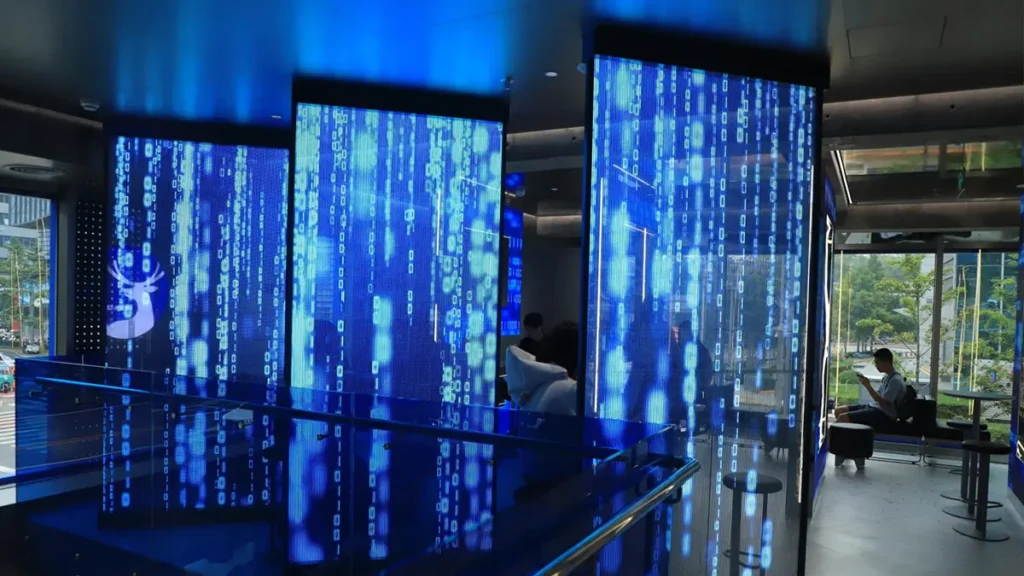
Digital signage for retail is no longer limited to promotional screens playing advertisements. Modern retailers combine window displays, shelf screens, interactive terminals, and LED walls with centralized content management to communicate with customers at every point in the store.
From storefront windows and entrances to product shelves and self-service counters, the right display can serve a different purpose at each touchpoint. According to Grand View Research’s market analysis, retailers using digital displays can see a meaningful increase in foot traffic, particularly when several screens work together to boost visibility, a sign that digital signage for retail directly shapes shopping behavior, not just store appearance.
The goal isn’t simply to add more screens. It’s choosing the right display type for each location and connecting it to a system that’s easy to manage as a store, or a chain grows.
What Types of Digital Signage for Retail Work Best in Different Store Areas?
Different areas of a store have different visibility and space requirements, so one screen type rarely fits every location.
Storefront and window displays need high brightness to stay visible behind glass in daylight, these units show promotions and brand video without the cost of reprinting posters every season.
Entrances and high-traffic corridors suit freestanding digital totems or posters, which can be repositioned when store layouts change, something fixed signage can’t do.
Shelves and product fixtures often have limited depth and height, which is where long-format LCD screens come in. Because shelf space rarely matches a standard 16:9 ratio, a custom-shaped display built around the available space usually works better than forcing a standard screen to fit.
Self-service and checkout areas benefit from touchscreen kiosks that go beyond passive advertising, letting customers browse products, check queue numbers, or complete a transaction, with the display becoming part of the service itself.
Flagship stores and large retail spaces can use fine-pitch LED video walls for brand storytelling at a scale no LCD screen can match.
The most effective digital signage for retail setups rarely rely on one display type throughout a store, they combine formats based on location, brightness, and how customers interact with each screen.
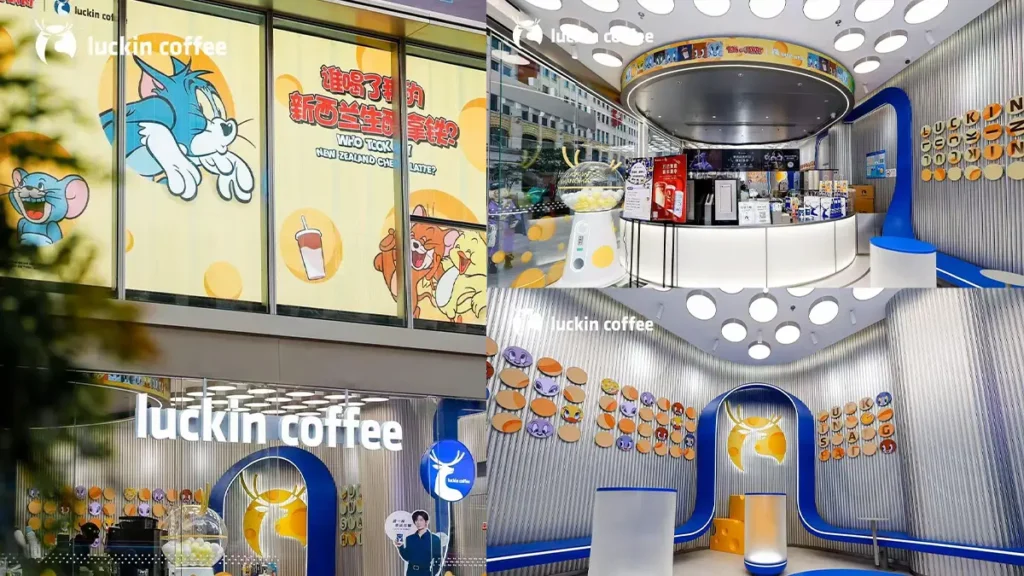
How Does Smart Digital Signage Help Retailers Manage Multiple Stores?
A single store can update a screen with a USB drive or basic network link. That approach breaks down once a brand operates dozens, or hundreds, of locations.
Smart digital signage solves this with a centralized structure: Headquarters → Cloud/Server → Store Network → Displays. Head office can publish a national campaign to every location while assigning regional promotions only to specific markets, and schedule different content by time of day, breakfast offers in the morning, evening campaigns later, without anyone touching a screen in person.
Beyond content, a capable system also supports remote device management: monitoring whether terminals are online, adjusting volume, pushing emergency notices, and for more advanced deployments integrating with POS, membership, or store-monitoring systems already in use. For multi-location retailers, this is often where digital signage for retail delivers the most value: not just what’s on screen, but how efficiently the whole network runs.
What Should You Know Before Digital Signage Installation?
Planning matters more than most retailers expect. Display location determines the format, a storefront needs a high-brightness window unit, a shelf needs a narrow-format screen, an entrance may call for a freestanding totem. Ambient light, mounting method (wall, floor, ceiling, or shelf-integrated), and power/network routing all need to be worked out before hardware arrives, especially for deployments that plan to scale from one store to many.
Because digital signage installation involves more than mounting a screen, commissioning, configuration, and after-sales support all matter for long-term reliability, it’s worth reviewing our digital signage services for what a full installation and support package typically includes.
How Do You Choose a Digital Signage Manufacturer for a Retail Project?
Retail projects usually need more than a price-per-screen comparison, hardware capability, customization options, software integration, and the ability to scale from a pilot store to a full rollout all matter. Skyseen combines commercial display manufacturing with custom hardware development, interactive self-service terminals, and centralized content management, covering digital posters, totems, high-brightness window displays, long-format shelf screens, and fine-pitch LED walls under one supplier.
For a full breakdown of what separates a manufacturer from a reseller, and what to check before signing a contract, see our guide, How Do You Choose the Right Digital Signage Company?
Effective digital signage for retail isn’t about placing screens around a store, it’s about matching the right display to the right customer touchpoint and connecting them through a system the retail team can actually manage. Storefronts call for brightness, shelves call for custom shapes, and large-format spaces call for LED walls, but the common thread is a centralized platform that scales as the store count grows.
Whether you’re planning a single store or a multi-location rollout, our retail signage solutions page covers the full range of hardware built for exactly this.
Frequently Asked Questions
1. What’s the most important factor when choosing digital signage for retail?
Matching the display type to its location — brightness for windows, compact size for shelves, durability for high-traffic entrances — matters more than picking one screen type for the whole store.
2. How long does digital signage installation usually take per store?
It depends on the number of units and whether mounting structures need custom work, but a single standard installation is often completed in a day, with network and content setup layered in afterward.
3. Do small stores need smart digital signage, or just a single screen?
A single store can run fine on local USB or basic network updates. Smart digital signage with centralized management becomes worthwhile once you’re coordinating content across multiple locations.
4. Should I buy from a digital signage manufacturer or a reseller for a retail rollout?
If your project needs custom sizes, shapes, or brightness levels for specific store layouts, going directly to a manufacturer usually gives more flexibility and faster warranty support than a reseller.