Custom LED illuminated signs are more than a lit-up nameplate, they are a complete lighting and structural system engineered to perform outdoors for years without fading, flickering, or failing. For sign companies and brand owners sourcing signage at scale, understanding how led illuminated signs are built, lit, and certified is the first step toward choosing the right manufacturing partner.
At Skyseen, we manufacture custom illuminated signage for sign companies, architects, and retail brands worldwide, from illuminated channel letters to full storefront lighting systems. This guide breaks down how these signs work, where they’re used, and what to check before placing a production order.
How LED Sign Illumination Works (Front-Lit, Back-Lit, Halo-Lit & Side-Lit)
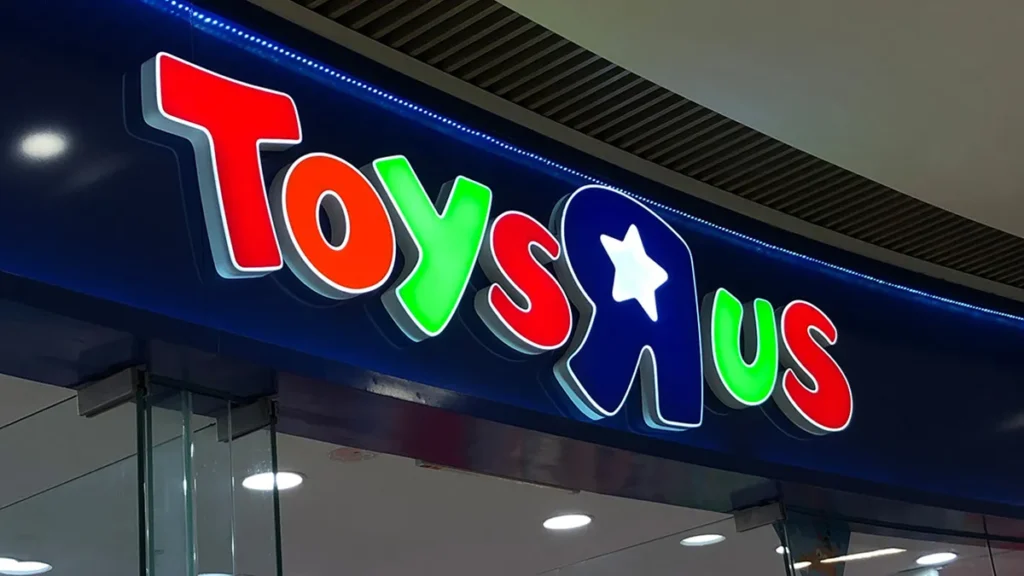
Good led sign illumination starts with choosing the right lighting method for the desired visual effect and viewing environment. The most common approaches are:
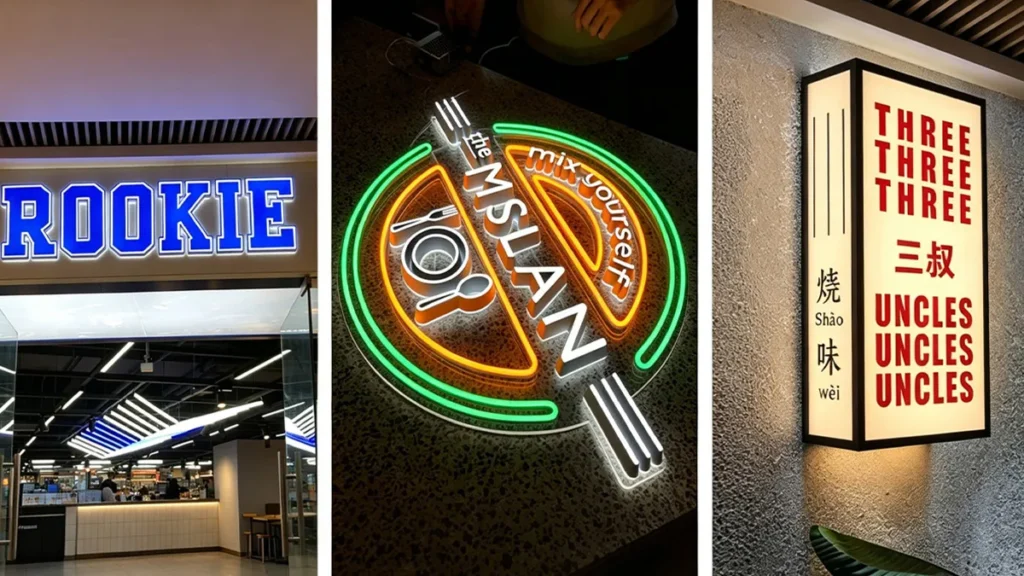
- Front-lit: LED modules sit behind a translucent acrylic face, so the letter or logo itself glows evenly. This is the most common configuration for storefront channel letters and logo signs.
- Back-lit (halo-lit): LEDs face the wall behind the letter, creating a soft glow or “halo” around the sign rather than lighting the face directly. This effect is popular for premium retail branding and architectural signage.
- Side-lit: LEDs are mounted along the return (the side wall) of the letter rather than the face or back, illuminating the trim cap or letter edge. This is often used for a slim, modern outline effect or combined with a non-illuminated or halo-lit face to highlight the letter’s shape without fully lighting the surface.
- Combination lighting: Two or more of the above methods, for example front-lit plus halo, or side-lit plus back-lit, are used together, giving a layered lighting effect often requested by hospitality and flagship retail projects.
Regardless of the lighting method, consistent led sign illumination depends on a few engineering factors that buyers should ask their manufacturer about:
- Voltage and power supply: Most illuminated signs run on 12V or 24V DC low-voltage LED systems for safety and stability.
- LED module spacing and binning: Even spacing and color-consistent LED binning prevent “hot spots” or uneven brightness across letters.
- Thermal management: Proper ventilation in the letter return prevents premature LED degradation, especially in mini and small-format letters where space is limited.
This is also where manufacturing precision matters most. Mini and small-format LED letters, for example, require tighter tolerances to fit LED modules evenly without sacrificing brightness, a detail many manufacturers struggle to execute consistently at scale.
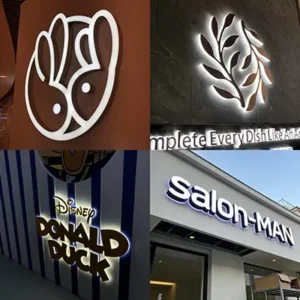
Types of Custom Illuminated Signs We Manufacture
“Led illuminated signs” is a broad category. In OEM production, it typically breaks down into a few core product types:
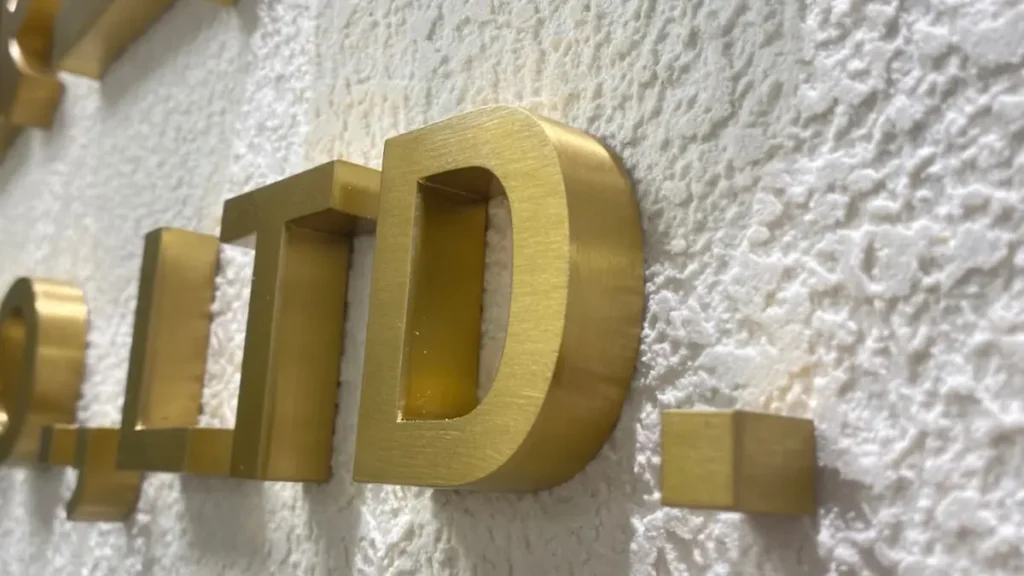
- Illuminated Channel Letters — the most widely used format for storefront branding, available in acrylic face, metal trim cap, or trimless construction.
- Mini LED Letters — small-format illuminated letters used for interior brand walls, logo displays, and retail showrooms, where precision LED integration is critical.
- Illuminated Lightboxes — slim, fabric, or LED-backlit lightbox systems used for larger format signage and menu boards.
- Illuminated Architectural Signage — building-integrated lighting systems for facades and commercial complexes.
- Illuminated Wayfinding & Pylon Signage — directional pylon signs, illuminated monument-style entrance signs, and wayfinding systems used in commercial complexes, hospitals, and airports.
Each format uses the same underlying illumination principles above, but the structural design, mounting method, and production tolerances differ significantly, which is why working with a manufacturer experienced across the full illuminated sign category, rather than a single product type, reduces engineering risk for multi-format projects.
Where Outdoor Lighted Business Signs Are Used
Outdoor lighted business signs face a very different set of requirements than indoor signage. Sun exposure, rain, temperature swings, and years of continuous operation all place stress on the electrical and structural components of the sign.
Common applications include:
- Storefront and building-facade signage for retail chains and restaurants
- Commercial complex and office building identification
- Hotel and hospitality branding
- Multi-location chain rollouts, where consistency across dozens or hundreds of sites is critical
For outdoor lighted business signs, buyers should confirm the following with their manufacturer before production:
- Ingress protection (IP rating): Confirms how well the sign enclosure resists dust and water intrusion, based on the international IEC 60529 standard.
- Electrical safety compliance: In North America, electric signs are commonly referenced against the UL 48 Standard for Electric Signs, alongside local electrical codes for field installation.
- Material weatherability: UV-stable acrylic, corrosion-resistant metal returns, and sealed wiring penetrations all affect long-term outdoor performance.
Confirming these details upfront, rather than after the signs arrive is one of the simplest ways sign companies can avoid costly rework on outdoor projects.
Why Sign Companies Choose Skyseen for Custom LED Illuminated Signs
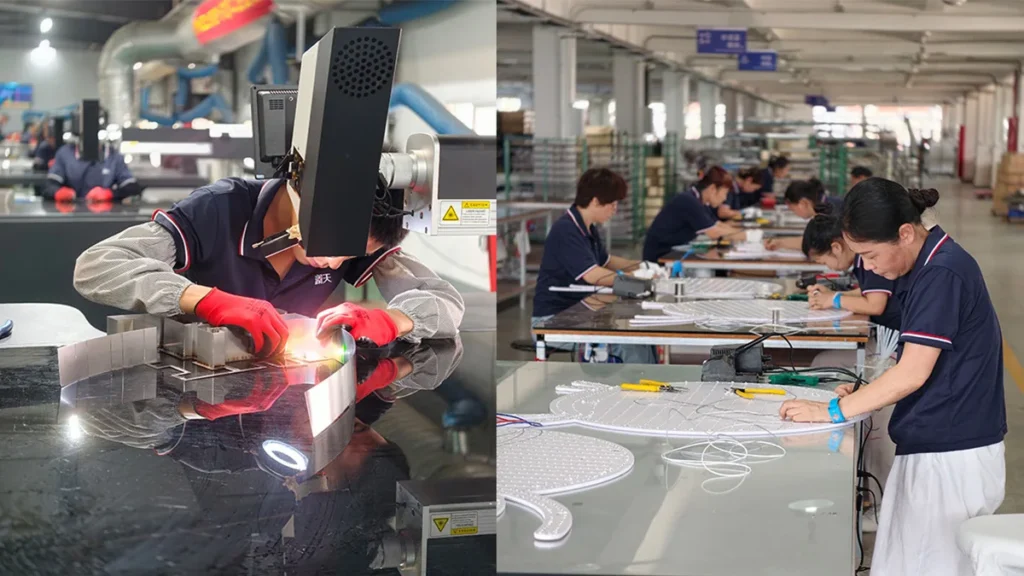
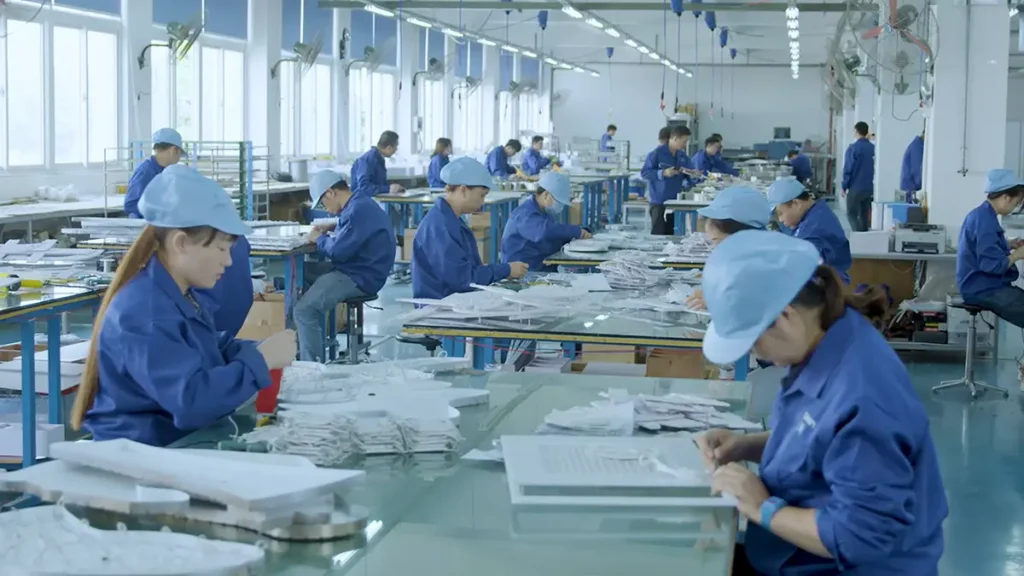
Skyseen is a dedicated manufacturer, not a trading company, with a 38,000+ m² production facility built for full in-house control over metal fabrication, acrylic processing, and LED integration. Sign companies and brand owners work with us because:
- Manufacturing depth: From engineering review to LED assembly and final QC, every stage is controlled in-house.
- Precision at small scale: Our mini LED letter capability addresses a segment many overseas suppliers cannot produce consistently.
- OEM/ODM partnership model: We manufacture on your behalf, your business keeps the client relationship, design, and installation.
- Project experience at scale: From single storefronts to multi-site chain rollouts, our production system is built to manage many concurrent orders without sacrificing consistency.
If you’re planning a custom illuminated sign project, whether a single flagship location or a multi-site rollout, contact our engineering team for a manufacturing consultation based on your design, quantity, and installation region.
FAQ
1. What’s the difference between front-lit, back-lit, side-lit, and combination LED illuminated signs?
Front-lit signs shine light through the letter face for bold, high-visibility branding. Back-lit (halo-lit) signs glow around the letter’s edge for a softer, premium look. Side-lit signs illuminate the letter’s return for a slim outline effect. Combination lighting blends two or more of these methods for extra depth. The right choice depends on your brand’s visibility needs and where the sign will be installed.
2. What materials are used to manufacture custom LED illuminated signs, and how do they affect durability?
Illuminated letters are typically built with UV-stable acrylic faces for consistent light transmission, paired with metal (aluminum or stainless steel) or acrylic returns depending on the design. Material choice directly affects weather resistance, color retention, and structural strength, which is why it’s worth confirming material specifications with your manufacturer before production, especially for outdoor or long-term installations.
3. Can LED illuminated signs be manufactured to match our brand’s exact colors, finishes, and sizes for OEM orders?
As an OEM/ODM manufacturer, Skyseen produces illuminated signs to match specified color values (Pantone, RGB, or HEX), custom metal finishes (brushed, mirrored, or painted), and precise sizing for both single projects and multi-location brand rollouts, so the finished signage stays consistent with your client’s brand standards.
4. Are custom LED illuminated signs suitable for outdoor use in different climates?
Yes, when engineered with the correct IP rating, UV-stable materials, and sealed electrical components. Outdoor lighted business signs should be built to withstand rain, humidity, and temperature swings without fading or water ingress.
5. How energy-efficient are LED illuminated signs, and does that affect long-term maintenance?
LED illumination uses significantly less power than older lighting technologies and generates less heat, which reduces both energy costs and the thermal stress that shortens component lifespan. Combined with proper module spacing and ventilation in the letter design, this typically results in a longer service life and lower maintenance requirements over the sign’s operating lifetime.